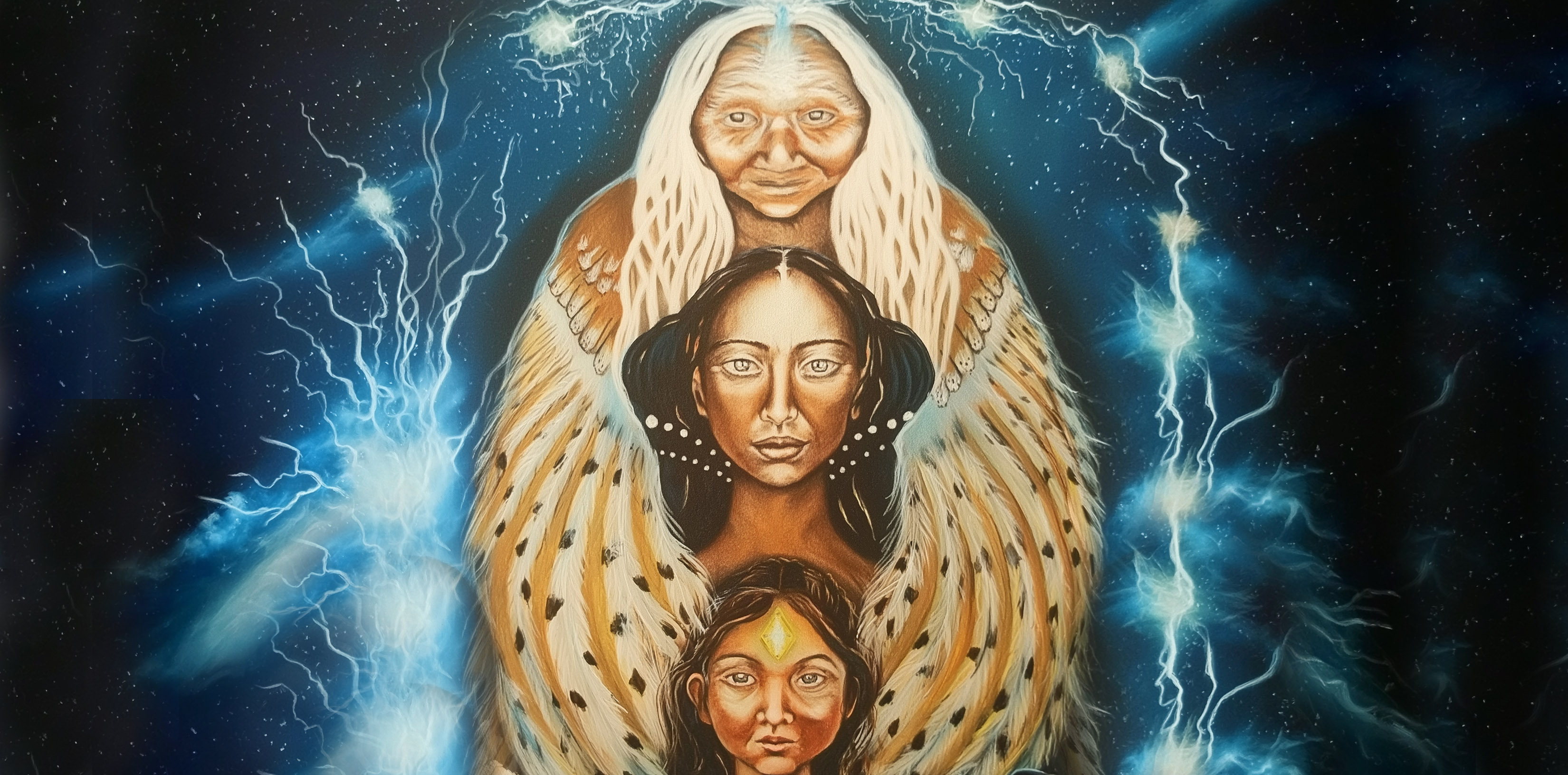
The “mother wound” is not about blaming mothers. It’s about understanding the invisible emotional intergenerational inheritance passed from woman to woman inside a system that has long restricted, silenced, and shaped them.
At its core, the mother wound describes the pain that arises when a mother—herself wounded by societal expectations, gender roles, and unhealed trauma—is unable to fully nurture, protect, or affirm her child, especially her daughter. This wound didn’t emerge in a vacuum. It has been cultivated for generations within patriarchy.
Patriarchy and the Fracturing of Motherhood
Patriarchy is not just about men holding power; it is about systems that limit personal empowerment, trusting one’s inner wisdom, emotional expression, autonomy, and worth—particularly for women. For centuries, women’s survival depended on obedience, self-sacrifice, subservience and compliance. Mothers were expected to raise children while suppressing their own needs, desires, anger, and grief.
When a woman is denied wholeness, her mothering is inevitably shaped by that denial.
Many mothers learned love through duty, not delight. Safety through conformity, not self-expression. Worth through endurance, not joy. These lessons didn’t disappear when they became mothers—they were passed on, often unconsciously.
How the Mother Wound Manifests
The mother wound can look different for everyone, but common patterns emerge:
- Emotional unavailability masked as “strength”
- Conditional love tied to achievement, obedience, or gender roles
- Enmeshment, where boundaries are blurred because individuality feels unsafe
- Criticism rooted in fear: “I’m hard on you because the world will be harder”
- Competition between mother and daughter in a system that pits women against each other
In patriarchal cultures, mothers are often the first enforcers of survival rules. Not because they want to harm, but because they believe compliance equals protection. A daughter who is too loud, too sexual, too ambitious, or too emotional may be corrected—not out of cruelty, but fear.
“Be smaller. Be quieter. Be acceptable. It’s safer that way.”
Mothers as Both Victims and Vessels
This is the paradox of the mother wound: mothers are both harmed by patriarchy and made responsible for reproducing it.
A woman who was never allowed to rest may resent a daughter who demands ease.
A woman who sacrificed her dreams may shame a daughter who pursues hers.
A woman who survived by pleasing may struggle to nurture a daughter who resists.
Patriarchy thrives on this fracture. When women are too busy resenting, correcting, or competing with one another, they are less likely to question the system that created the pain in the first place.
Why Daughters Often Carry It Deeply
Daughters are frequently expected to become emotional caretakers—not just of siblings, but of their mothers. This “parentification” is especially common in patriarchal households where men’s emotional labour is minimized or ignored.
A daughter may grow up learning that her role is to:
- Regulate her mother’s feelings
- Be “good” to keep the peace
- Suppress her anger to remain lovable
- Inherit fear as wisdom
The result is often a woman who struggles with boundaries, self-trust, and self-worth—yet feels deep loyalty and guilt for even naming the pain.
Healing the Mother Wound Is Not About Blame
Healing begins when we separate accountability from condemnation.
Patriarchy taught our mothers how to survive—not how to be free. Acknowledging the harm does not erase the love that existed, nor does it deny the sacrifices made. It simply tells the truth: love alone does not prevent harm.
Healing means allowing two truths to coexist:
- My mother did the best she could with what she had.
- What she had was not enough to meet all my needs.
Both can be true without canceling each other out.
Reclaiming the Mother Within
One of the most powerful acts of healing is learning to “re-mother” ourselves—the parts that were dismissed, silenced, or shaped too early.
This looks like:
- Offering yourself the gentleness and compassion you weren’t given
- Letting anger exist without punishment
- Allowing rest without earning it
- Choosing authenticity over approval
- Learning to trust your intuition and inner wisdom that you were born with
It is also cycle breaking, leaning behind disempowering narratives and learning to break patterns. When a woman chooses to feel instead of suppress, to listen instead of control, to trust instead of fear—she interrupts generations of pain.
From Inheritance to Intention
The mother wound is not a life sentence. It is an invitation.
An invitation to understand how deeply systems shape relationships.
An invitation to stop personalizing wounds that were structural.
An invitation to mother ourselves and each other differently.
When we name patriarchy as the soil in which these wounds grew, we stop turning mothers and daughters into enemies. We begin to see them as allies—both carrying stories that deserve compassion, truth, and transformation.
Healing the mother wound is not about fixing women.
It’s about dismantling the conditions that wounded them in the first place.


Comments are closed